Elevating Interior Spaces with Step and Repeat Banners: From Showrooms to Home Staging
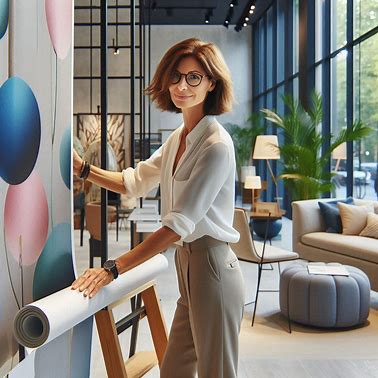
installing a step and repeat bannerEvery well-designed interior tells a story, and visuals play a huge role in that narrative. Whether it’s a boutique, showroom, or gallery, the right backdrop can elevate the atmosphere and make a space feel more polished and professional. Step and repeat banners, once reserved for red-carpet events, are now finding a place in interior design as powerful branding and decorative tools.

Many interior designers are turning to NYC step and repeat services to create stylish, customizable backdrops that reflect their brand’s identity. These banners do more than promote a logo. They can transform blank walls into photo-worthy settings and enhance the aesthetic value of any interior environment. From sleek retail spaces to art-inspired studios, designers use them to create a consistent and engaging visual presence.

Step and Repeat Banners Meet Interior Design

Step and repeat banners have evolved beyond event marketing. Their adaptability makes them a practical and aesthetic choice for interior spaces. In showrooms, they serve as brand walls behind product displays, while in offices or studios, they act as striking visual dividers. Their patterns, usually a repeating logo or graphic design, create a sense of sophistication and unity in the space.

Why Interior Designers Love Them

“A backdrop isn’t just something behind you. It’s part of the space’s personality.”

Interior designers appreciate how these banners bring flexibility and personality to spaces. Unlike traditional wallpaper or painted murals, step and repeat backdrops can be easily replaced or updated as the brand evolves. They offer a cost-effective solution for designers who want to refresh interiors seasonally or adapt to new product lines.

  • Perfect for retail environments where visuals change frequently
  • Easy to transport and reinstall for trade shows or pop-up events
  • Durable and reusable, reducing long-term costs

They also serve a marketing purpose. In a social-media-driven world, customers often take photos during events, open houses, or showroom visits. A well-designed backdrop ensures every photo carries the brand identity, creating free, organic promotion for the business.

Choosing the Right Material and Design

Material selection is key when integrating banners into interiors. Fabric step and repeat banners are ideal for interior use because of their soft texture, light absorption, and wrinkle resistance. They look elegant under artificial or natural lighting, complementing different room settings. Vinyl banners, on the other hand, are better for semi-outdoor or high-traffic areas where durability is essential.

Design should also blend seamlessly with the room’s theme. For instance, minimalist spaces may use a subtle repeating pattern in muted tones, while vibrant boutiques might favor bold logos and colorful graphics. Those looking for inspiration on daring color choices can explore bold shades that dare to define your space. Designers often align the banner’s palette with existing elements such as flooring, furniture, or lighting to maintain visual harmony.

Creative Ways to Use Step and Repeat Banners Indoors

Step and repeat banners aren’t limited to one function. Designers are using them as multifunctional décor pieces:

  • Photo Walls: Ideal for product launches, gallery openings, or hospitality spaces.
  • Accent Walls: A stylish alternative to traditional wall art that can be customized for each project.
  • Room Dividers: Portable and attractive partitions for large open areas or studios.
  • Stage Backdrops: Great for interior events, lectures, or workshops where branding visibility is important.

These creative applications prove that step and repeat banners go beyond marketing. They bring a sense of professionalism and cohesion to interiors without overwhelming the design. Many architects and stylists now consider them part of the visual language of contemporary spaces.

Maintenance and Reuse

Maintenance is straightforward, which adds to their appeal. Most fabric banners can be cleaned gently with mild detergents and stored without damage. Their frames are lightweight, making them easy to move and reuse. This reusability also aligns with sustainability goals, as one well-made banner can serve multiple purposes over time.

Final Thoughts

Integrating banners into interior design offers a smart blend of branding and beauty. A NYC step and repeat backdrop can redefine how clients experience a space, turning walls into stories and corners into conversation starters. It’s an investment that pays off through aesthetics, marketing exposure, and long-term flexibility. For designers seeking a modern, adaptable décor element, step and repeat banners are more than a background. They’re a statement.


 

Personalization and Branding: Custom ID Card Templates for Interior Design Firms

id badges interior design

Personalization and branding are essential elements of any successful interior design firm. Custom ID card templates significantly reinforce the firm’s brand identity while fostering a sense of belonging among employees. Well-designed ID cards do more than just identify staff members; they visually represent the firm’s values, aesthetics, and professionalism.

The Importance of Custom ID Card Templates

ID card templates are more than functional tools—they are an extension of a company’s brand. For interior design firms, these templates should reflect the creativity and sophistication that the firm brings to its projects. A well-crafted ID card can convey the firm’s ethos and style at a glance, making a strong impression on clients and partners.

Integrating custom ID card templates into an interior design firm’s operations offers several benefits:

  • Consistency: Custom ID cards ensure uniformity across all employees, reinforcing the firm’s brand identity.
  • Professionalism: High-quality ID cards enhance the firm’s professional image, which can be particularly important during client interactions and presentations.
  • Security: Personalized ID cards help maintain security by clearly identifying authorized personnel.
  • Employee Morale: Custom ID cards can foster a sense of employee pride and belonging, contributing to a positive workplace culture.

Reflecting Brand Identity Through Design

A custom ID card should be a miniature representation of the firm’s brand. This includes:

  • Logo and Colors: Incorporate the firm’s logo and brand colors into the ID card design. This reinforces brand recognition and creates a cohesive look across all branded materials.
  • Typography: Use the same fonts that are part of the firm’s branding guidelines to maintain consistency.
  • Design Elements: Incorporate design elements that reflect the firm’s style. For example, a firm known for modern designs might use clean lines and minimalistic elements, while a firm specializing in vintage interiors might opt for more ornate details.

Enhancing Employee Engagement

Custom ID card templates can also play a role in boosting employee engagement. Employees wearing ID cards representing themselves and their workplace can increase their sense of belonging and loyalty to the firm. Here’s how:

  • Personalization: Adding personal touches, such as the employee’s preferred name or photo, can make the ID card more relatable and personal.
  • Recognition: Including job titles or special achievements on ID cards can help recognize employees’ contributions and boost morale.
  • Team Identity: Different teams within the firm can have slightly varied designs that reflect their unique roles while still adhering to the overall brand guidelines. This fosters team spirit and identity.

Practical Applications in Interior Design Firms

Interior design firms can utilize custom ID card templates in various practical ways beyond standard identification:

  • Client Projects: Use ID cards for project site access, ensuring only authorized personnel can enter.
  • Event Management: For events such as open houses or client presentations, custom ID cards can serve as both identification and a means to convey the firm’s branding.
  • Marketing: Distribute branded ID cards during networking events or industry conferences to leave a lasting impression on potential clients and partners.

READ ALSO: How Westbury Locksmiths Elevate Interior Design Security

Conclusion

Custom ID card templates are a valuable tool for interior design firms, serving multiple purposes, from branding and security to employee engagement. By thoughtfully designing these ID cards to reflect the firm’s brand identity, interior design firms can enhance their professional image and foster a cohesive, engaged team. Explore more about creating personalized ID card templates to start transforming your firm’s branding and operations today.

Marketing For Interior Designers

Did you know that digital marketing is guaranteed to help you grow your interior design business?

Why digital F95zone marketing is important for interior designers

F95 zone review

There is a fashion that famous interior designers and people with less interior design experience are moving from privately collaborating with clients to an online business. They are developing product lines or an industry partner that suits their design aesthetic. One way is to join F95zone and F95 zone review. Through this platform, you can build healthy relationships with like-minded people.

It’s important to have a place that you can call your own. This transforms previously unused spaces into the most in-demand spaces like home offices and gyms.

To make a home calmer and more beneficial to an environment for work at home, moody colours, statement accessories, patterns, and textures are often requested. In addition, the outdoor space is now an extension of the living room. The two are seldom combined into an exceptional arrangement.

It’s more important than ever to have well-designed environments if you want to live a happier life. Therefore, interior design is a must.

Interior designers work with architects, civil engineers, landscape architects, machine builders, builders, and helpers to plan how interiors will function, look, and be furnished.

Digital F95zone marketing for interior designing

Branding offers your watchers a clear direction and purpose. It is a trustworthy voice that individuals want to hear from their interior designers starting on your official website.

Scepticism about the importance of branding is widespread, particularly among interior designers, interior decorators, and landscape architects who are trying to launch their business in an intrinsically competitive environment.

Branding digitally for interior designers

More importantly, every part of your interior design project be it your social media presence, the way you present, or the tone of your voicemails, promotes and offers a service. It must capture the spirit of your branding. It must convey an implied message about how much you appreciate your own business.

Aside from that, your brand symbolizes who you are, what you believe in, and how you want your audience to perceive you. This is why branding an organization is so important.