Residential Clearance and Disposal Services in Vienna Creates a Synergy with Modern Interior Designers

Modern interior design is often associated with aesthetics, clean lines, curated furniture, balanced color schemes, and carefully styled spaces. However, the foundation of any well-designed home is not decoration, but removal. Before a space can be transformed, it must first be cleared of clutter, outdated furniture, and accumulated items that disrupt both function and visual flow. Residential clearance and disposal services in Vienna (räumung und entsorgung Wien) play a critical but often overlooked role in this transformation process.

By efficiently removing unwanted materials and preparing homes for redesign, they enable interior designers and homeowners to work with a clean slate. In essence, they help turn chaotic living spaces into environments ready for intentional design.

Let’s Do a Little Math

Every successful interior design project begins with subtraction. Homes naturally accumulate furniture, appliances, décor, and personal items over time. While some of these objects remain useful or meaningful, many become obsolete, damaged, or simply unnecessary. Residential clearance services help identify and remove:

  • Old or broken furniture
  • Outdated appliances
  • Excess décor and storage clutter
  • Construction or renovation waste
  • Unused household items

This initial clearing stage is essential because it reveals the true potential of a space. Without removing visual and physical clutter, it becomes difficult to assess layout possibilities, lighting improvements, or functional redesign opportunities.

By stripping a room down to its core structure, clearance services allow designers to see the “blank canvas” required for meaningful transformation.

Preparing Homes for Renovation and Redesign

Interior redesign projects, whether small updates or full renovations, require space to work. Contractors, designers, and homeowners often need unrestricted access to rooms before new installations can begin. However, heavy furniture and accumulated items can significantly slow down this process.

Residential clearance and disposal services address this challenge by preparing properties in advance of design work. In most cases, their services are used for:

  • Full or partial room clearance
  • Safe removal of bulky furniture
  • Disposal of unusable materials
  • Sorting items for recycling or donation
  • Clearing outdoor or storage areas

This preparation ensures that renovation teams can begin work immediately without delays caused by logistical obstacles. For homeowners, this also reduces stress and physical strain, especially when dealing with large or heavy items that are difficult to move without professional assistance.

In many cases, efficient clearance can significantly shorten the overall timeline of a redesign project.

Enabling Minimalism and Functional Living Spaces
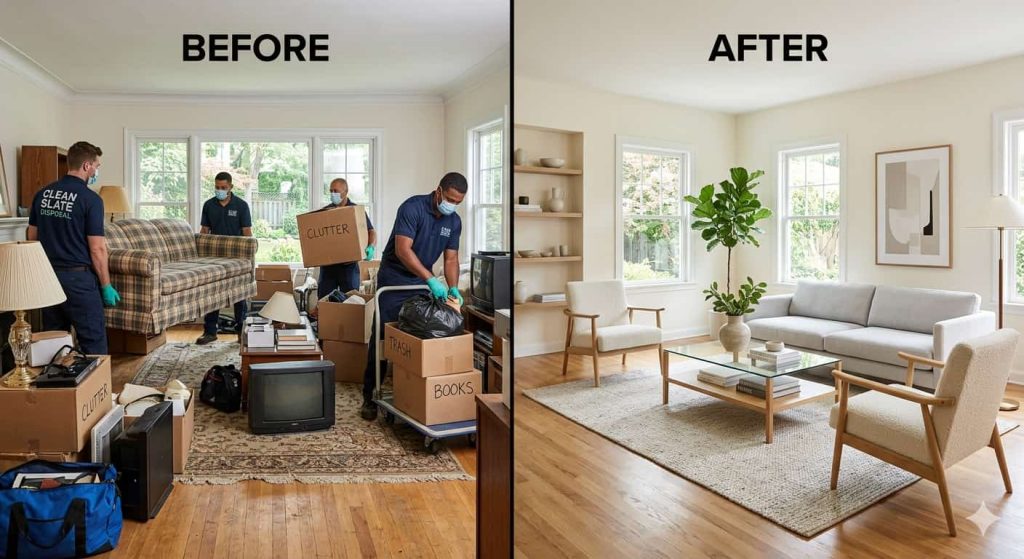
Minimalism is an extremely popular option in interior design. The concept follows the application of functionality, simplicity, and the intentional use of space. However, achieving a minimalist interior is impossible without first removing excess belongings. Residential clearance services support this transition by helping homeowners:

  • Reduce unnecessary possessions
  • Identify essential vs. non-essential items
  • Clear visually heavy furniture
  • Create open, breathable spaces
  • Improve room functionality

Once clutter is removed, homes naturally feel larger, brighter, and more organized. This allows designers to focus on improving flow, symmetry, and usability rather than working around existing clutter.

Minimalist design depends heavily on negative space, the empty areas that give a room balance and clarity. Clearance services make this possible by physically creating that space before any design decisions are made.

Supporting Sustainable Disposal and Responsible Design

Modern residential clearance is not just about removing items. It is also about responsible disposal. As sustainability becomes a major focus in interior design and urban living, how items are discarded matters as much as what is kept. Professional clearance services often incorporate environmentally conscious practices such as:

  • Recycling wood, metal, and plastic materials
  • Donating usable furniture and appliances
  • Properly disposing of electronic waste
  • Reducing landfill contributions
  • Separating hazardous materials

This approach aligns with the values of modern interior design, which increasingly emphasizes eco-friendly materials, sustainable sourcing, and reduced environmental impact.

By ensuring that discarded items are handled responsibly, clearance services contribute to a circular design ecosystem where materials are reused rather than wasted.

Improving Workflow for Designers and Homeowners

Interior design is a collaborative process that requires clear space, clear vision, and efficient execution. When homes are filled with unnecessary items, designers must spend additional time working around obstacles rather than focusing on creative development. Residential clearance services streamline this workflow by:

  • Providing immediate usable space for design work
  • Reducing logistical delays during renovation
  • Allowing accurate spatial planning and measurements
  • Improving visual clarity for design decisions
  • Enhancing communication between designers and homeowners

For designers, a cleared space offers greater creative freedom. For homeowners, it provides clarity on how their space can be reimagined.

This efficiency often leads to better design outcomes, faster project completion, and a smoother overall experience.

Working behind the Scene to Elevate the Visual Appeal of Your Home

Residential clearance and disposal services are a fundamental part of modern interior design, even if they often operate behind the scenes. By removing clutter, preparing spaces for renovation, and enabling functional redesign, they create the essential foundation upon which all aesthetic improvements are built.

From minimalist living spaces to full-scale home transformations, design success begins with clear space. These services not only support practical renovation needs but also contribute to sustainability, efficiency, and better living environments.

Banner Printing New York Reveals Hidden Art of Modern Minimalist Interiors

In a city where creativity thrives, banner printing New York studios are redefining how design complements modern spaces. Once seen as tools for advertising, banners now find new purpose in interiors. High-resolution printing, innovative materials, and custom finishes make these displays more than decorative. They become extensions of minimalist design, blending visual art with spatial harmony. Many designers in New York collaborate with printing professionals to craft banners that reflect texture, tone, and calm precision. This blend of creativity and utility shows how minimalism embraces subtlety without losing its expressive touch.

Modern minimalism isn’t about removing character, it’s about refining it into simplicity that feels both sophisticated and livable.

What makes a Modern Minimalist Design?

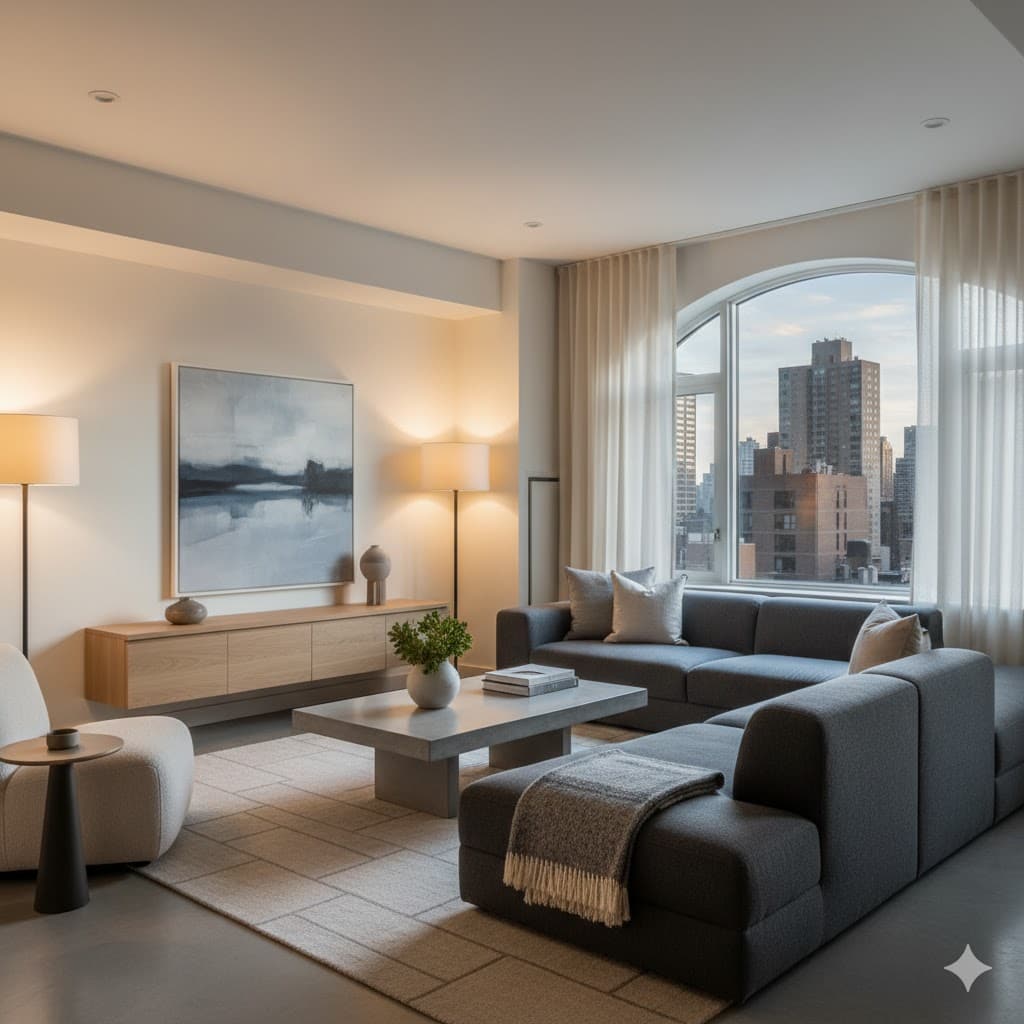
Modern minimalist interior design focuses on balance, function, and quiet beauty. Every piece of furniture, wall accent, or printed design has intent behind it. Clean lines and open layouts guide the eye naturally, allowing spaces to breathe. White, beige, and muted grays often dominate the palette, while soft materials create comfort without distraction. When integrated thoughtfully, printed wall banners can serve as artistic statements that echo the calm essence of minimalism.

Project teams in banner printing <>often understand this relationship, crafting visuals that feel light yet meaningful within simple interiors.

Balancing Functionality and Warmth

A minimalist room must do more than look good, it must feel inviting. Designers achieve this by mixing structure with texture. Wooden furniture, soft throws, and neutral fabrics create warmth without adding clutter. Comfort in minimalism isn’t accidental; it’s carefully curated. A soft glow from a hidden lamp or a matte wall print can completely change the tone of a room.

The success of minimalist interiors lies in balance, each object, print, and light source supports both function and serenity.

Design’s Success Lies in what You don’t See

Lighting defines the personality of a minimalist space. Recessed lighting and natural sunlight help maintain openness while adding visual depth. Instead of ornate lamps, the focus is on how light interacts with surfaces, bouncing gently off matte prints or textured walls.

Some designers even use subtle banner printing panels to diffuse light creatively, merging practicality with elegance. This synergy of materials transforms light from utility to art.

Integrating Prints into Modern Interiors

Artwork gives minimalism emotion. Rather than crowding walls with frames, designers often choose a single statement piece or soft-toned print that sets the mood. Large-format banners, when done tastefully, can act as focal points without overpowering simplicity.

Professionals from banner printing <>studios understand this balance well. They create visuals that complement texture and tone while remaining understated. The result is harmony, visual design that quietly enhances a room instead of demanding attention.

Sustainability and the Future of Minimalist Living

Modern minimalism now aligns with eco-conscious living. Sustainable materials, recycled textiles, and energy-efficient fixtures define today’s interiors. Designers aim to minimize waste while maximizing material purpose. Large-format printing companies in New York also contribute by adopting eco-friendly inks and recyclable substrates. This shared vision turns minimalism into more than a style, it becomes an ethical approach to living and creating. The relationship between sustainability and simplicity continues to grow, setting the tone for future interior design trends.

Designing the Perfect Home Whiskey Bar: Style, Function, and Comfort

Men drinking whiskey at home barCreating a whiskey bar at home is more than a fun weekend project—it’s a way to bring a bit of luxury and personal flair into your everyday space. Whether you’re a seasoned whiskey enthusiast or just starting to explore, a well-designed bar lets you showcase your collection, entertain friends, and enjoy a drink in comfort. From sleek shelving to ambient lighting and the right glassware, each detail matters. And, of course, don’t forget to stock up on a few classics—buy Buffalo Trace bourbon to add a crowd-pleasing staple that balances quality with approachability.

Start With the Space

First, figure out where your whiskey bar will live. This doesn’t have to be a full room—a corner of your living room, dining area, or even a dedicated cabinet in the kitchen can work. The key is picking a space that’s easy to access but not too exposed to direct sunlight or drastic temperature changes. Whiskey ages in barrels, not in bottles. Too much heat or light can mess with the flavors over time.

Once you’ve chosen the spot, consider the scale. If you’ve only got room for a small bar cart, that’s fine—there are ways to make it feel intentional and stylish. If you have space for a built-in or standalone cabinet, even better. Either way, keep it simple and functional.

Shelving That Shows It Off

Shelving is both a storage solution and a design opportunity. Open shelves made of wood or metal give your bar a warm, inviting look and let you display your best bottles. Adjustable shelves are helpful if you have a mix of tall and short bottles. You can even add a few framed photos or plants to soften the overall look.

Floating shelves work well for a clean, modern feel. Look for reclaimed wood or black pipe shelving for a vintage or industrial style. Glass-front cabinets are another option if you want to keep bottles visible but dust-free.

Don’t overcrowd. Give your collection room to breathe. A cluttered bar looks messy, making it harder to find what you’re looking for.

The Right Lighting Sets the Mood

Lighting might be the most underrated part of a whiskey bar. Harsh overhead lights kill the vibe. Instead, aim for soft, warm lighting. A couple of LED puck lights under your shelves or inside the cabinet go a long way. Strip lighting behind the shelves adds a nice glow without being too bright.

A small lamp or wall sconce nearby can also help with ambiance. If you’re setting up a bar cart, try placing it near a lamp with a dimmer switch. Candlelight works too, as long as it’s safe and stable.

The goal is to create a relaxed, cozy feel that invites you to slow down and enjoy a drink.

Choose the Right Barware

You don’t need a lot of gear to enjoy whiskey, but a few essentials help. Start with good glassware. A classic Glencairn glass is ideal for tasting, while a heavy-bottomed rocks glass is perfect for sipping over ice. If you enjoy cocktails like Old Fashioneds or Manhattans, keep a mixing glass, bar spoon, and strainer nearby.

Other helpful items include an ice mold (large cubes or spheres melt slower), a small cutting board and knife for garnishes, and a simple jigger for measuring. Keep a few coasters on hand, too.

If you want to elevate the look, invest in a matching barware set in stainless steel, copper, or matte black. It will visually tie the whole setup together.

Stock It With Care

The best home whiskey bars aren’t the ones with the most bottles—they’re the ones with thought behind them. Start with a few of your favorites. Include a mix of styles: maybe a smooth Irish whiskey, a bold American bourbon, a smoky Scotch, and a Japanese single malt. This gives you variety without going overboard.

Don’t worry about having a giant collection. Curate, don’t clutter. You can always expand over time as you discover new favorites.

If you enjoy mixing drinks, keep a few staples like vermouth, bitters, and simple syrup in your bar area—or in a fridge if needed.

Add Personal Touches

The final layer is what makes your whiskey bar feel like yours. Maybe it’s a vintage decanter passed down from family or a framed print of your favorite distillery. A small speaker for background music adds atmosphere and a leather-bound whiskey journal for tasting notes invites conversation.

Even something as simple as a bowl of citrus or a stack of well-worn cocktail books gives your bar a lived-in, personal feel.

In the End, It’s About Enjoyment

Designing the perfect home whiskey bar isn’t about perfection—it’s about creating a space that fits your style and makes you want to slow down and enjoy the moment. Keep it simple. Make it yours. And most of all, make it a place you actually want to use.

Transforming Spaces with Style and Function

Interior design is where creativity meets functionality, blending aesthetics with practicality to create beautiful, functional, and harmonious spaces. In the digital age, interior design has become even more prominent, with online platforms and social media, it helps in showcasing the work of designers and agencies.

However, you can only truly make the most of social media’s reach by collaborating with the pros like Social Zinger Agency.

The Essence of Interior Design

Interior design enhances the look and functionality of indoor spaces. It involves color theory, furniture, lighting, and spatial arrangements. Designers consider clients’ needs and tastes to create a harmonious, stylish, and practical design.

The Role of Thoughtful Planning

It starts with thorough planning. Designers work closely with clients to grasp their vision, lifestyle, and needs. They collaborate with them to ensure that the final product meets their expectations and needs. They create a design plan that integrates with the space, considering existing elements. Budgeting and project management are also critical for a feasible design.

The Power of Aesthetics

Designers select colors, patterns, textures, and materials to evoke specific moods and atmospheres in a space. They use design principles to create the desired tone, whether a peaceful bedroom retreat or a lively commercial ambiance.

Functionality and Ergonomics

In addition to aesthetics, functionality is paramount in interior design. Spaces need to be not only beautiful but also practical. Furniture layouts, storage solutions, and ergonomic considerations are vital to ensure that every inch of space serves a purpose. 

This balance between form and function creates environments that enhance the quality of life for those who inhabit them.

The Importance of Lighting

Lighting is another critical element in interior design. Proper lighting can accentuate architectural features, create focal points, and set the mood in a room. Interior designers choose from a wide array of lighting fixtures to achieve the desired ambiance: soft, warm lighting for a cozy living room or bright, task-oriented lighting for a functional kitchen.

It enriches living spaces with creativity, planning, and attention to detail. It’s about crafting environments that reflect personalities and lifestyles. Whether you’re redecorating your home or designing a commercial space, enlisting the expertise of an interior designer can turn your vision into a reality, creating areas that are visually stunning and ideally suited to your needs.

Innovative Furniture Design and Placement

Furniture design and placement are essential components of interior design. In addition to providing functionality and comfort, furniture can also significantly impact the aesthetic and overall feel of a space. Proper placement of furniture can enhance the balance and symmetry of a room, while also ensuring durability. Sustainable and eco-friendly materials are becoming increasingly popular in furniture design. Additionally, if you’re in Perth and are in need of tile roof restoration Perth, it’s important to consider how the color and texture of your furniture can complement your newly restored roof.

Durability


Durability should be a major priority when choosing furniture for an interior area. Long-lasting furniture not only avoids waste and helps to promote sustainability, but it also saves money in the long term. Furniture that is made with high-quality components and construction techniques will last for many years while still functioning.

Balance and Symmetry

To create a unified and visually pleasing space in interior design, balance and symmetry are crucial. The harmony and symmetry of a room can be greatly affected by the positioning of the furniture. It is crucial to take into account the size and proportion of furniture pieces as well as how they interact with one another and the overall layout of the room. Furniture should be placed and arranged in a way that promotes harmony, balance, and symmetry.

Sustainable and Eco-Friendly Materials

Sustainable and eco-friendly materials are gaining importance in furniture design and location in addition to durability. Reclaimed wood and bamboo are examples of sustainable materials that can be used to make furniture that has less of an impact on the environment. 

Furniture designers can also emphasize eco-friendly manufacturing techniques by employing non-toxic coatings and adhesives and cutting production waste.

In conclusion, the layout and design of furniture are crucial aspects of interior design. Furniture should be chosen with durability as a key priority because it not only saves money but also lessens waste and encourages sustainability.

A visually pleasing and harmonious space must have balance and symmetry, and using eco-friendly and sustainable materials can assist to lessen the negative effects of furniture manufacture on the environment. Interior designers can design places that are both beautiful and sustainable by giving priority to these factors.

The Art of Interior Design: Creating a Beautiful and Functional Space

Interior design is the art of creating a beautiful and functional space that reflects the personality and lifestyle of its inhabitants. It involves the use of color, texture, furniture, lighting, and accessories to transform an empty room into a comfortable and inviting space. The goal of interior design is to make the most out of a room, whether it’s a small apartment or a large house.

The Role of Color 

This passage explains how color plays an important role in interior design, influencing the mood and atmosphere of a space. Warm colors create a cozy and intimate feeling, while cool colors have a calming effect. Neutral colors are used as a background to highlight other design elements.

Choosing Furniture, Accessories and Lightning

Furniture, accessories, and lighting are important aspects of interior design. Furniture should be chosen based on the room’s function, size, and style. Accessories can add texture and personality to a room, and lighting is crucial in creating a specific atmosphere.

Maximizing Space 

In smaller spaces, interior design can be a challenge. However, with the right approach, even the smallest room can feel spacious and inviting. The key is to use furniture and accessories that are appropriately sized for the space and to create a sense of flow by placing items in a logical and functional manner.

The Importance of Personal Style 

Ultimately, the most crucial aspect of interior design is personal style. A room should reflect the personality and lifestyle of its inhabitants. It’s important to incorporate personal touches that make the space feel like home. Whether it’s family photos, artwork, or unique pieces of furniture, the room should feel like a reflection of the people who live in it.

  • Example:
    When designing a Greek-themed interior, incorporating elements such as white and blue color schemes, wooden furniture, and artwork can create an authentic and welcoming atmosphere.

Interior design is a creative and rewarding process that can transform an empty space into a beautiful and functional home. With the right use of color, furniture, accessories, and personal style, any room can become a comfortable and inviting space. By following these tips and techniques, you can create a home that truly reflects your personality and lifestyle.

Why You Should Make Your Interior Design & Yard Work Together in Harmony?

Interior design and yard work don’t have to be mutually exclusive. In fact, if you want to create a beautiful, cohesive, and inviting outdoor space, you should make sure that they work together in harmony.

So, if you’re looking to create a stunning outdoor space that is equal parts beautiful and practical, make sure to consider how your interior design and yard work will work together in harmony.

Design Elements to Consider when Blending Your Interior Design and Yard Work

When blending your interior design and yard work, you’ll want to consider several design elements. These include:

  • Color palette – The colors you choose for your patio furniture, landscaping, and walls can make a big difference in your outdoor space. If you go with a bold color scheme, it can make your space feel vibrant and exciting.
  • Structure – The structure of your home can play a major role in how you design your backyard. If your home has a classic feel, you’ll want to incorporate classic elements into your backyard.

Landscaping Techniques for Creating a Cohesive Outdoor Space

There are several landscaping techniques for creating a cohesive outdoor space. These include:

  • Using similar materials – When you are choosing the materials for your patio, walls, and landscaping, make sure to choose materials that are similar.
  • Creating a water feature – Adding a water feature to your outdoor space can create a spectacular ambiance and add value to your home. A water feature could include a pond, fountain, or a running stream.
  • Adding a lighting feature – Lighting can be used to create a mood, illuminate your pathway, or act as a security feature

You can also ask for cleaning services like a snow removal service from Ontario so they can give you a tip that can also help you clean your yard easier.

Choosing the Right Materials to Blend Your Interior Design and Yard Work

When you’re choosing the materials to blend your interior design and yard work, it is important to consider the functionality of each material. You’ll want your materials to be both beautiful and functional. With this in mind, you’ll want to choose materials that are easy to clean, durable, and can withstand the elements of your climate.

Why You need to make a Contract with an Interior Designer?

If you’ve ever planned to decorate your home and make it look more beautiful, you might have thought about hiring an interior designer. Interior designers can help you achieve a specific look in your home through the use of different colors, lighting, and furniture.

They can also help you plan out which rooms are most important to you and how they should be laid out. In this blog post, we will explain why you need to make a contract with an interior designer.

You’ll Know Exactly what You’re Paying for

When you make a contract with an interior designer, you’ll know exactly how much you will be paying for their services. Many interior designers charge a flat fee for their services.

This makes it easier for you to budget for the project and know exactly how much you will be paying. You also do not have to worry about the designer charging you for things that were not included in your original contract.

Interior Designers have Access to different Brands

An interior designer will most likely have access to different brands and products that you don’t have access to.

Most interior designers work with the top brands in the industry and have access to exclusive sales and deals that you will not find on the internet. This can help you save a lot of money on items like furniture, rugs, and lighting fixtures. You should definitely talk with your designer about what products they recommend.

You’ll Save Time by Working with a Designer

One of the biggest benefits of working with an interior designer is that they will save you a lot of time. An interior designer can help you with things like picking out furniture and picking out paint colors for different rooms in your home.

This can help you save a lot of time because you will not have to do these things on your own. You will be able to focus on other things and let the designer take care of the design aspect of your project. If you wish to share the final outcome and your experience, take advantage of blogging about it.

Why You need to make a Contract with an Interior Designer?

If you’ve ever planned to decorate your home and make it look more beautiful, you might have thought about hiring an interior designer. Interior designers can help you achieve a specific look in your home through the use of different colors, lighting, and furniture.

They can also help you plan out which rooms are most important to you and how they should be laid out. In this blog post, we will explain why you need to make a contract with an interior designer

You’ll Know exactly what You’re Paying for

When you make a contract with an interior designer, you’ll know exactly how much you will be paying for their services. Many interior designers charge a flat fee for their services.

This makes it easier for you to budget for the project and know exactly how much you will be paying. You also do not have to worry about the designer charging you for things that were not included in your original contract.

Interior Designers have Access to different Brands

An interior designer will most likely have access to different brands and products that you don’t have access to.

Most interior designers work with the top brands in the industry and have access to exclusive sales and deals that you will not find on the internet. This can help you save a lot of money on items like furniture, rugs, and lighting fixtures. You should definitely talk with your designer about what products they recommend.

You’ll Save Time by Working with a Designer

One of the biggest benefits of working with an interior designer is that they will save you a lot of time. An interior designer can help you with things like picking out furniture and picking out paint colors for different rooms in your home.

This can help you save a lot of time because you will not have to do these things on your own. You will be able to focus on other things and let the designer take care of the design aspect of your project. If you wish to share the final outcome and your experience, take advantage of blogging about it. 

Boost Your Home’s Value with Interior Design

When you buy a home, there are many factors that go into determining its value. Some properties might have a killer view or be in a prime location, but when it comes to personalizing your space and making it stand out from the crowd with design, things can get tricky.

That doesn’t mean that your home has no potential to increase in value. With the right interior design strategy, you can breathe new life into your home and potentially see an increase in its value over time.

Be Mindful of Space

Another way to boost your home’s value is to be mindful of space. This doesn’t mean you should cram as much furniture into a room as possible.

Instead, try to make the most out of the space you have. That could mean being strategic about where you place large pieces of furniture, like a couch or coffee table. It could also mean taking advantage of vertical space, such as adding shelves to walls or painting the back of your doors for extra storage.

Go for Quality Over Quantity

Finally, go for quality over quantity. This means investing in items that are both functional and stylish, but won’t break the bank.

Be sure to take note of your color palette as well. You don’t have to go overboard with every color if you don’t want to. Instead, select a handful of colors that you can use throughout your home, like your couch, throw pillows, and accent wall.

Add a Bit of Color

Finally, adding a bit of color to your home can boost your space and increase its value. When choosing colors, it’s important to pick a palette that makes your home stand out but doesn’t clash or look overpowering.

There are a number of ways to do this. You can paint your walls, use bold throw pillows, or even add colorful lights to your ceiling for an illuminating effect. By adding color to your home, you can draw the eye and make your space feel more vibrant. You can also boost your home’s value when you find the perfect hue to accent your space.

Car Interior Must Haves

Obtaining car interior accessories to your automobile can appear somewhat pricey at the beginning. There’s so much to purchase, and it all prices. But you put everything into perspective. View the automobile interior accessories not only as parts of style and glitz, but instead practical, and beneficial areas of the automobile. Then tally up it against cleaning, fixing and keeping your auto, and you’re going to see automobile interior accessories aren’t so expensive.

There are loads of secondhand car interior accessories which don’t look so crucial, but auto interior accessories such as floor mats, chair covers, and the like would be the sort of automobile interior accessories which are worth your time buying. But before the interiors, always make sure the car exterior is just as nice. Car Audio Capacitor Or Second Battery should be a priority for your car makeover too.

Floor mats for your vehicle, can assist you in making certain the carpet of this automobile doesn’t become soiled, and seen with usage. Some mats are waterproof too so that your not left with large spots on the floor of your vehicle. Carpet floor mats keep your carpet clean however have a elegant appearance also. They are available in lots of unique layouts, and you may even have a symbol printed or embroidered on, to get a more personal look.

The issue is the time and use, that’s what occurs. But, car seat covers, so will be certain that the real seats do not get worn off, stained or dirty, and consequently not comfy either. The seat covers will capture the dirt, stop the fluids from flowing , and stop the mould from all that from settling . Chair covers are easy to remove so they may be washed when needed, making sure that the car always seems great. Additionally, if they wear , they are far cheaper to replace than the chairs themselves, not to mind more suitable!

Dashboard covers are among these car accessories which are not as widely known. This is only because they do not come in flashy colours and layouts however, at a selection of a couple of simple smart colours, and so people do not always realize that the dash is really covered. But a dash cover is nearly a necessity. The sun’s warmth is reflected off the dash, in the driver’s eyesand obstructs their eyesight whilst driving. This is a very dangerous hazard. Dashboard covers are created from non reflective substances and so take this away danger, which makes it easier to drive.