How Designers Use Rebar Wire to Create Custom Furniture
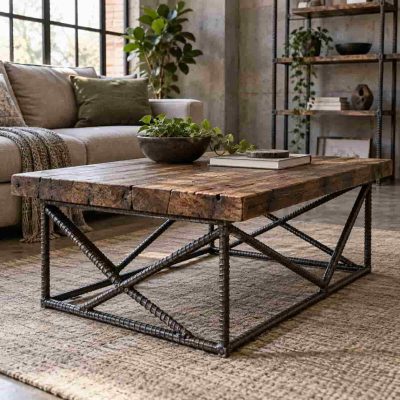 Rebar wire is most commonly associated with concrete construction, where it helps strengthen foundations, walls, slabs, and other structural elements. In the hands of furniture designers, however, Rebar Wire Aus products can take on an entirely different role. Their strength, texture, and distinctive appearance make them suitable for creating custom tables, chairs, shelving units, benches, and decorative pieces.
Designers often choose rebar wire when they want furniture that feels modern, industrial, or handmade. Designers can bend, weld, cut, and combine the material with wood, glass, stone, or concrete. This flexibility lets craftspeople turn a practical building material into furniture designed for specific rooms, functions, and visual styles.
Why Rebar Wire Appeals to Furniture Designers
One of the main reasons designers work with rebar wire is its recognizable texture. Unlike smooth metal rods, reinforcing steel often has raised ribs or patterns along its surface. These details give finished furniture a rugged quality that works particularly well in industrial, rustic, and contemporary interiors.
Rebar wire is also strong relative to its size. It can form durable frames and supports without requiring thick, solid panels. This makes it useful for furniture that needs to appear visually light while maintaining a stable structure.
Another advantage is its flexibility during fabrication. Depending on its diameter and grade, rebar wire can be shaped into straight frames, curved supports, geometric patterns, or sculptural details. Designers can therefore create one-of-a-kind pieces rather than relying only on standard furniture components.
Building Table and Desk Bases
Tables are among the most common types of furniture made with rebar wire. Designers can weld lengths of reinforcement into rectangular, crossed, or angled frames that support a tabletop.
A simple rebar base pairs well with reclaimed timber to create a warm industrial look. The contrast between textured steel and natural wood highlights the characteristics of both materials. Glass tabletops are another option because they leave the metal framework visible from above. Concrete or stone tops can also complement the construction-inspired appearance of the rebar.
For desks and dining tables, designers must calculate the required dimensions and place braces where they will prevent movement. Crossbars, welded joints, and carefully positioned legs help distribute the tabletop’s weight and anything placed on it. Proper structural planning keeps the design stable without adding unnecessary metal.
Creating Chairs, Stools, and Benches
Rebar wire can also be formed into seating frames. A designer may use it to create chair legs, back supports, armrests, or an entire seat structure. Thin pieces can form repeating lines or grids, while heavier bars can provide the main support.
Because seating must safely carry changing loads, comfort and strength require equal attention. Welded connections must be secure, and the frame should not contain sharp projections or narrow pressure points. Designers may add wooden seats, padded cushions, woven materials, or molded components to make the furniture more comfortable.
For benches, rebar frames can support long timber or concrete seats. These combinations are particularly suitable for gardens, patios, reception areas, and commercial interiors where durable furniture is needed. Outdoor pieces require suitable finishes to manage moisture and corrosion.
Designing Open Shelving and Storage
The relatively narrow profile of rebar wire makes it useful for open shelving. Designers can construct an outer metal frame and add shelves made from wood, glass, sheet metal, or another compatible material.
Open rebar shelving can make a room feel less crowded than furniture with solid sides. Light passes through the structure, and the items displayed on the shelves remain visible from different angles.
This approach works well for bookshelves, plant stands, kitchen storage, retail displays, and media units.
You can also shape rebar wire into baskets, racks, or compartments. A grid arrangement can hold magazines, firewood, towels, or decorative objects. Custom spacing lets designers tailor each piece to the objects it needs to hold.
Using Rebar as a Decorative Feature
Not every piece of rebar in custom furniture needs to provide primary structural support. Designers also use it to add visual detail. Short sections may become drawer handles, cabinet pulls, footrests, or decorative edges. Rebar can be bent into repeating patterns for cabinet doors, screens, and headboards. Its linear shape makes it especially suitable for geometric designs.
Some craftspeople intentionally leave weld marks and surface variations visible to emphasize the furniture’s handmade nature. Others grind the joints smooth and apply a uniform coating for a more refined result. The final treatment can change the material’s appearance from raw and rustic to polished and contemporary.
Combining Rebar With Other Materials
Rebar furniture becomes especially versatile when you pair steel with contrasting materials. Wood adds warmth and can soften its industrial appearance. Concrete creates a more architectural look, while glass draws attention to the frame’s shape. Leather, fabric, and woven fibers can introduce color and comfort.
Consider material compatibility during design. A heavy concrete tabletop requires a stronger frame than a lightweight wooden surface. By understanding how each material behaves, designers can create furniture that is attractive, stable, and practical.
Finishing Rebar Furniture Safely
Untreated rebar can rust when exposed to moisture and oxygen. Some designers value the appearance of controlled surface oxidation, but active corrosion may stain floors, clothing, or nearby materials. You can protect rebar furniture with clear sealers, paint, powder coating, wax, or other finishes suitable for steel. Before finishing, clean the metal to remove loose rust, dirt, oil, and fabrication residue.
Also check edges and welded areas carefully. Remove any sharp points, burrs, or rough surfaces, especially on chairs, tables, and furniture used around children. Feet or protective pads can prevent the metal from scratching floors.
Turning an Industrial Material Into Functional Design
Rebar wire lets furniture designers use a familiar construction material in unexpected ways. It can provide the framework for tables, seating, shelving, storage, and decorative features while supporting a wide range of shapes and styles.
Successful rebar furniture depends on more than appearance. Designers must account for stability, load capacity, ergonomics, corrosion protection, and safe finishing. When these practical requirements are handled properly, rebar wire can become the foundation of durable, distinctive furniture made specifically for the people and spaces that will use it.
