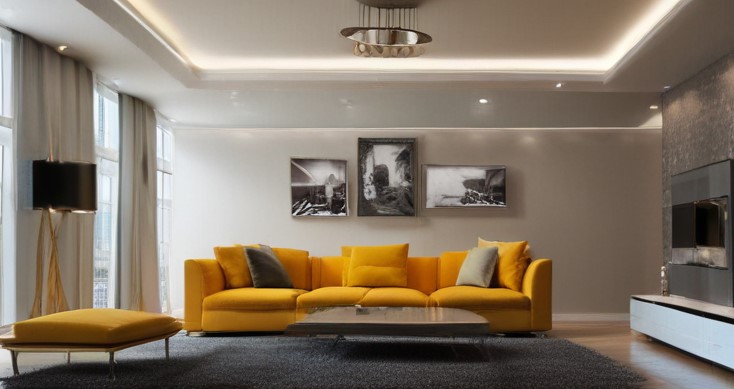
The Hidden Impact of Electrical Planning on Modern Interior Design
Electrical systems influence nearly every aspect of a home’s functionality and appearance. Thoughtful planning early in a renovation or construction project can prevent costly changes later and help homeowners avoid disruptions that sometimes require services like emergency electrical service near West Chester. While interior design often focuses on colors, furniture, and finishes, the placement of wiring, lighting, outlets, and smart technology plays an equally important role in shaping how a space looks and functions.
Modern homes rely on a growing number of electrical devices, from charging stations and entertainment systems to smart thermostats and automated lighting controls. Research from the U.S. Department of Energy shows that lighting accounts for a significant portion of residential electricity use, making lighting design an important consideration for both comfort and efficiency. When electrical planning is integrated into the design process from the beginning, homeowners can create spaces that are attractive, practical, and adaptable to future needs.
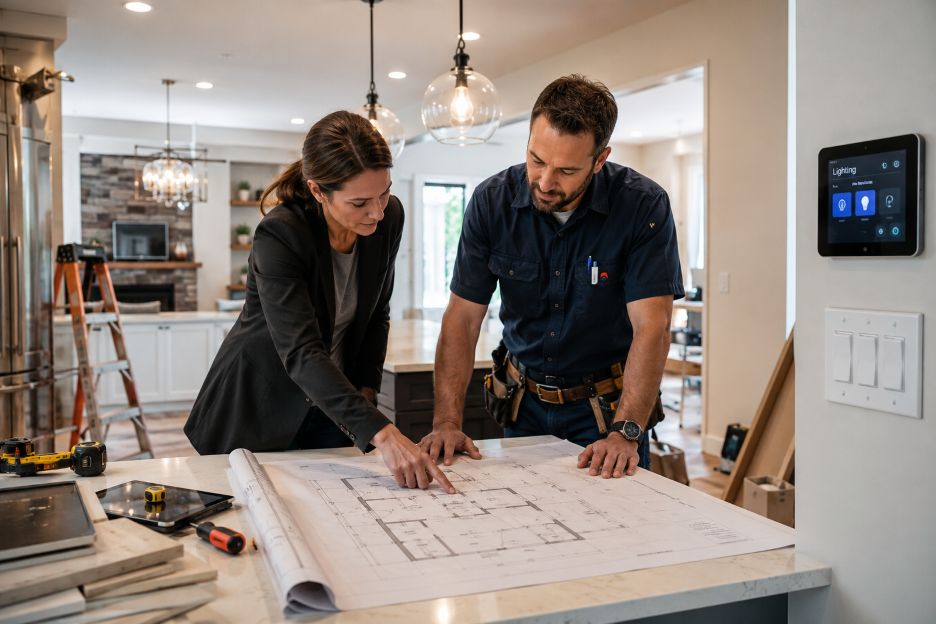
Why Early Electrical Planning Matters
One of the most overlooked aspects of interior design is the timing of electrical decisions. Many homeowners select finishes, cabinetry, and furniture before considering where switches, outlets, and fixtures should be installed. This approach often leads to design compromises and unexpected expenses.
Experts from the National Association of Home Builders note that modern homeowners increasingly prioritize technology integration and flexible living spaces. These priorities require electrical infrastructure that supports changing lifestyles. Planning early allows designers and electricians to coordinate layouts before walls are finished, reducing the need for later modifications.
A strong electrical plan typically addresses:
- Lighting placement and control systems
- Outlet locations for convenience and safety
- Dedicated circuits for major appliances
- Smart home technology requirements
- Future expansion opportunities
By addressing these elements early, homeowners gain more flexibility in both design and functionality.
Step 1: Plan Lighting Before Choosing Decorative Features
Lighting is one of the most influential design elements in any interior. It affects mood, visibility, and how colors and materials appear throughout a room.
The American Lighting Association recommends combining ambient, task, and accent lighting to create balanced illumination. This layered approach allows homeowners to adapt spaces for different activities while enhancing architectural features.
Consider these lighting categories during planning:
- Ambient lighting for general illumination
- Task lighting for cooking, reading, and work areas
- Accent lighting to highlight artwork or design features
- Decorative lighting that contributes to overall aesthetics
Planning fixture locations before construction begins helps prevent situations where beautiful design elements are poorly lit or difficult to use.
Step 2: Position Outlets Where People Actually Need Them
Outlet placement may seem like a minor detail, but it can significantly affect daily convenience. A room can appear visually appealing yet become frustrating if power access is limited.
Data from the Electrical Safety Foundation International indicates that modern households use more connected devices than ever before. As a result, homeowners often need more accessible power sources than older homes were designed to provide.
When planning outlet locations, consider:
- Furniture layouts
- Home office equipment
- Kitchen countertop appliances
- Entertainment systems
- Charging stations for phones and tablets
- Outdoor living areas
Careful placement can reduce reliance on extension cords and power strips while maintaining a cleaner visual appearance.
Step 3: Incorporate Smart Home Technology Early
Smart home features have become a common part of residential design. Automated lighting, security systems, voice-controlled devices, and energy management tools often require specialized wiring or network infrastructure.
The Consumer Technology Association reports continued growth in smart home adoption as homeowners seek greater convenience and energy efficiency. Integrating these technologies during the planning phase is generally easier and more cost-effective than adding them later.
Smart home considerations may include:
- Smart lighting controls
- Security cameras and sensors
- Motorized window treatments
- Smart thermostats
- Whole-home Wi-Fi coverage
- Electric vehicle charging systems
Future-proofing electrical systems helps ensure that homes can accommodate evolving technologies without extensive renovations.
Step 4: Address Common Design Challenges
Interior designers frequently encounter situations where aesthetics and functionality appear to conflict. Visible outlets, exposed wiring, and poorly positioned switches can interrupt the visual flow of a room.
Fortunately, many challenges can be solved through coordinated planning between designers and electrical professionals.
Challenge: Limited Wall Space
Large windows, custom cabinetry, and decorative wall treatments often reduce available space for outlets and switches.
Solution: Explore floor outlets, under-cabinet installations, or concealed power solutions where appropriate.
Challenge: Open Floor Plans
Open layouts create flexibility but may complicate electrical distribution.
Solution: Plan floor boxes and strategically located circuits that support furniture arrangements without creating visible cord clutter.
Challenge: Historic Home Renovations
Older properties may have outdated wiring systems that do not meet modern electrical demands.
Solution: Conduct a comprehensive electrical assessment before finalizing design plans. This helps identify necessary upgrades early in the project.
Step 5: Prepare for Unexpected Renovation Issues
Even carefully planned projects can encounter surprises. Hidden wiring problems, overloaded circuits, damaged panels, or code compliance concerns sometimes emerge once walls are opened.
The National Fire Protection Association notes that electrical failures remain a contributing factor in residential fires, highlighting the importance of professional inspections during renovation projects.
Homeowners should be prepared for situations requiring urgent electrical repairs, especially when working with older systems. Quick response from qualified electrical professionals can help minimize project delays and maintain safety throughout the renovation process.
Common unexpected issues include:
- Outdated wiring discovered during demolition
- Insufficient electrical capacity
- Faulty breakers or panels
- Damaged circuits hidden behind walls
- Improper work completed during previous renovations
Having contingency plans in place can help projects stay on track when these challenges arise.
Key Recommendations for Successful Electrical Planning
Electrical planning works best when treated as a core part of the design process rather than a final construction step. Collaboration among homeowners, designers, architects, and licensed electricians often leads to better outcomes.
Several practical recommendations can improve project success:
- Create detailed furniture and room layouts before electrical installation.
- Consider future technology needs, not just current requirements.
- Use layered lighting strategies throughout the home.
- Plan extra outlets in high-use areas.
- Schedule electrical inspections before major design decisions are finalized.
- Allow room for future upgrades and expansion.
Thoughtful electrical design supports comfort, safety, and long-term usability. It also helps preserve the visual goals of an interior design project by reducing clutter and improving functionality. Electrical upgrades often occur alongside broader renovation work, making protecting interior finishes during renovation projects an important consideration for homeowners who want to maintain the appearance and value of their investment throughout the construction process.
Conclusion
Electrical planning quietly shapes the success of modern interior design. Lighting influences atmosphere, outlet placement affects convenience, and smart technology depends on reliable infrastructure. Research from organizations such as the U.S. Department of Energy, the American Lighting Association, and the Electrical Safety Foundation International demonstrates the growing importance of integrating electrical considerations into residential design.
Homeowners who address power distribution, illumination strategies, automation systems, and renovation contingencies early in the process often experience fewer setbacks and better long-term results. Whether building a new home or updating an existing one, careful coordination between design goals and electrical requirements creates spaces that are both visually appealing and highly functional.