Interior design gives a new look and ambience to a home. And, if carefully designed, it contributes to the reduction of environmental impact. However, interior designing also considers sustainability. This is through the responsible use of materials, furnishings, energy, and household items. It’s not all about sacrificing beauty or comfort when planning an environmentally friendly home. Sustainability can be integrated into a desirable and usable interior, provided there is good planning.
Choosing Sustainable Materials
Here are some of the materials for interior design that supports sustainability:
1-Natural Materials
Natural materials are long-lasting materials which reduce replacement frequency.
2-Reclaimed Materials
Wood, furniture and decorative items that can be reused and reclaimed can add to the unique look of an interior. Aside from that, it also minimizes the use of new materials. Another older table or cabinet may be able to be put to use after repair, refinishing or a new layout.
Creating a Long-Lasting Design
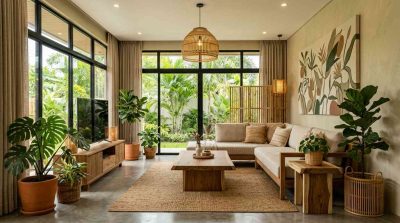 Sometimes a durable furniture piece will be more expensive in the beginning. But, if it can be used for years and years without needing to be replaced. With that, you can be more sustainable than someone who has to replace their items over and over.
Homeowners should look for quality in construction, the repairability of the house and its lifespan before buying.
Conclusion
Achieving an eco-friendly interior can be done through the combination of useful, elegant, and sustainable design ideas. The use of long span materials, reusing the existing ones, and maximizing natural light produces a room that is eco-friendly and elegant.